Connect the entire journey of your conferences and events — before, during and after
Publish conferences, meetings and activities, manage registrations and attendees, organize programmes and sessions, connect virtual services, and keep event information integrated with the rest of the Essenzial Digital Platform.
Instead of being a collection of separate pages, forms, lists and tools, the event becomes a connected process linking attendees, the Technical Secretariat, sessions, communications, systems and services.
People, programme, sessions, communications and services need to evolve together
Conferences, meetings and events combine public and private processes, multiple stakeholders, and activity before, during and after the event.

Publish and organize
Classify events and structure their information, dates, venue, programme, sessions and related services.

Manage registrations
Connect registration forms, profiles, attendees and access to the events in which each person participates.
Coordinate activity
Organize sessions and activities, provide access and keep the attendee experience up to date.
Integrate and track
Synchronize information with CRM and administration, communicate changes, and capture participation and attendance data.
From event design to the ongoing relationship with each attendee
The Platform makes it possible to manage the event as a continuous journey, keeping the information generated at every stage connected.
A continuous experience from the event catalogue to attendee management
We organize Essenzial’s proven capabilities around the real event process, while preserving tangible visual evidence of the product.
Present past and upcoming events in a structured, searchable catalogue
Conferences and events can be dynamically published in a shared catalogue and found using different search and filtering criteria.
The same architecture can distinguish categories, years, service types or profiles, helping each person find the activities most relevant to them.
- Event catalogue.
- Past and upcoming events.
- Search and filtering.
- Classification by categories, years and profiles.

Connect public registration with the attendee’s private experience
From the event page or One-Stop Services, a person can view detailed information and request access. Once registered by the Technical Secretariat, they can find the events they are attending in their private area.
Registration and identity therefore remain connected to the person’s wider relationship with the organization.
- Registration form.
- Registration and validation.
- Personal event list.
- Access from the Member Portal.

Bring together the information attendees need in one place
Each event can provide dedicated information for registration, venue and secretariat, together with specific sponsor areas and other relevant content.
This creates a coherent digital event experience without separating institutional information from the related services.
- Event information.
- Venue and Secretariat.
- Sponsor areas.
- Related content and services.
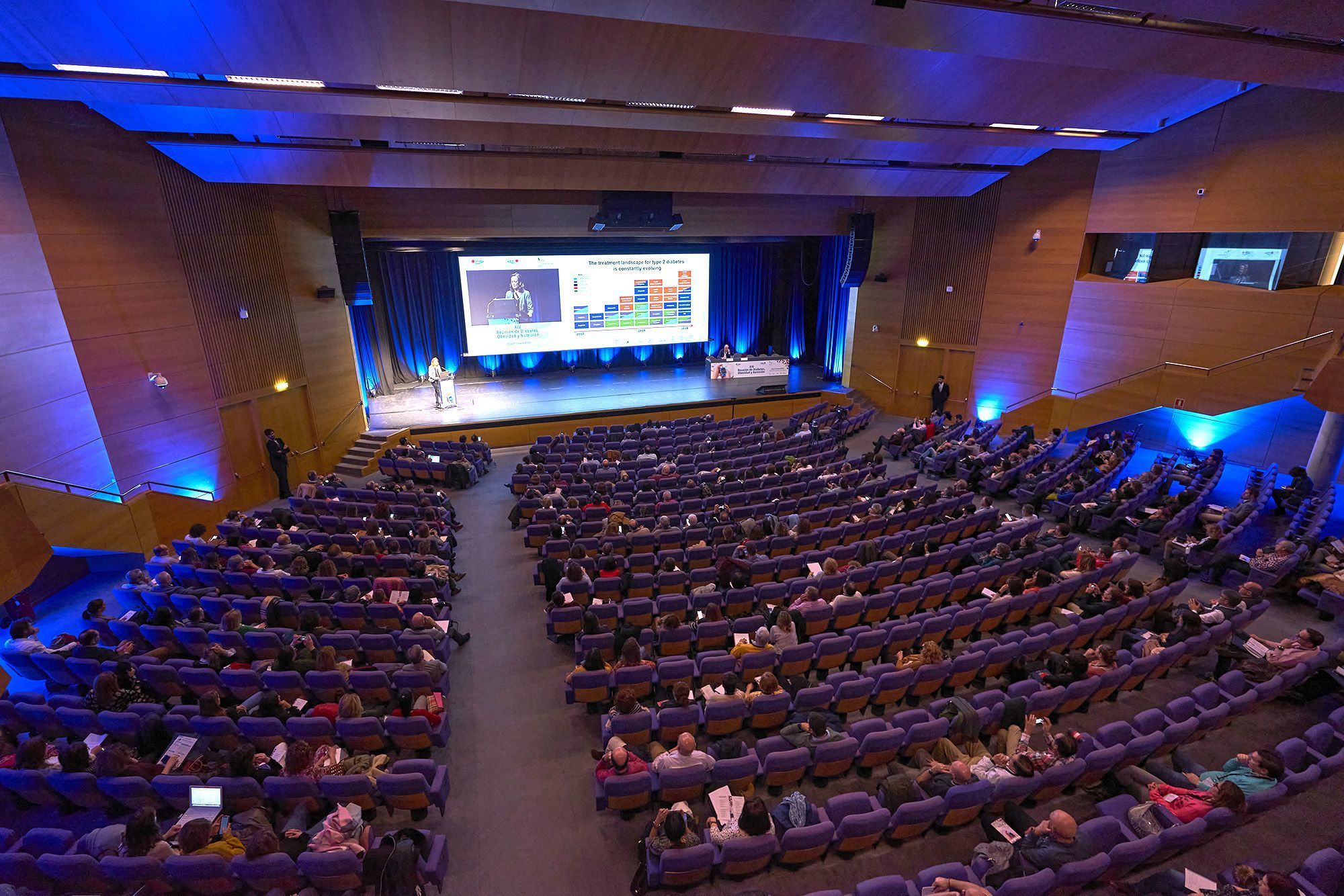
Organize the event around its sessions and activities
The private area can display scheduled activities, information and sessions. Within each session, attendees can view the relevant details and access information.
For virtual events, sessions can link directly to the scheduled videoconference.
- Event programme.
- Sessions and activities.
- Information and access by session.
- In-person, virtual or hybrid participation.

Integrate online sessions into the same event journey
Integration with videoconferencing tools makes it possible to organize real-time sessions and provide access directly from the event’s digital environment.
Videoconferencing therefore stops being a standalone link and becomes part of the context of the session and the attendee’s activity.
- Online sessions.
- Contextual access to videoconferencing.
- Event-related meetings.
- Zoom integration.

Keep attendees and events aligned with CRM and the Technical Secretariat
New conference and event registrations can be integrated with CRM to manage attendees and view session details.
When information changes in the backend, updates can be propagated to the destination system, keeping data aligned and also allowing registrations through list imports.
- CRM integration.
- Attendee management.
- Session-level details.
- Cross-system updates and list imports.

A conference connects communications, members, administration and the private experience
Value increases when the event shares people, content, data and activity with the rest of the Platform.
From a digital event to a connected, intelligent event
When programme, attendees, sessions, communications, statuses and activity share the same architecture, automation, data-driven capabilities and AI-assisted support can be applied to specific processes.
These capabilities should be introduced where they add real value to the process, while keeping the organization in control of content, communications and decisions.
The event does not end when the final session finishes
Information generated through registration, sessions and attendance can continue to deliver value after the event: certificates, follow-up communications, content, member activity and a better understanding of each person’s relationship with the organization.
This continuity is especially important for organizations where conferences, training, publications and participation are all part of the same professional or scientific relationship.

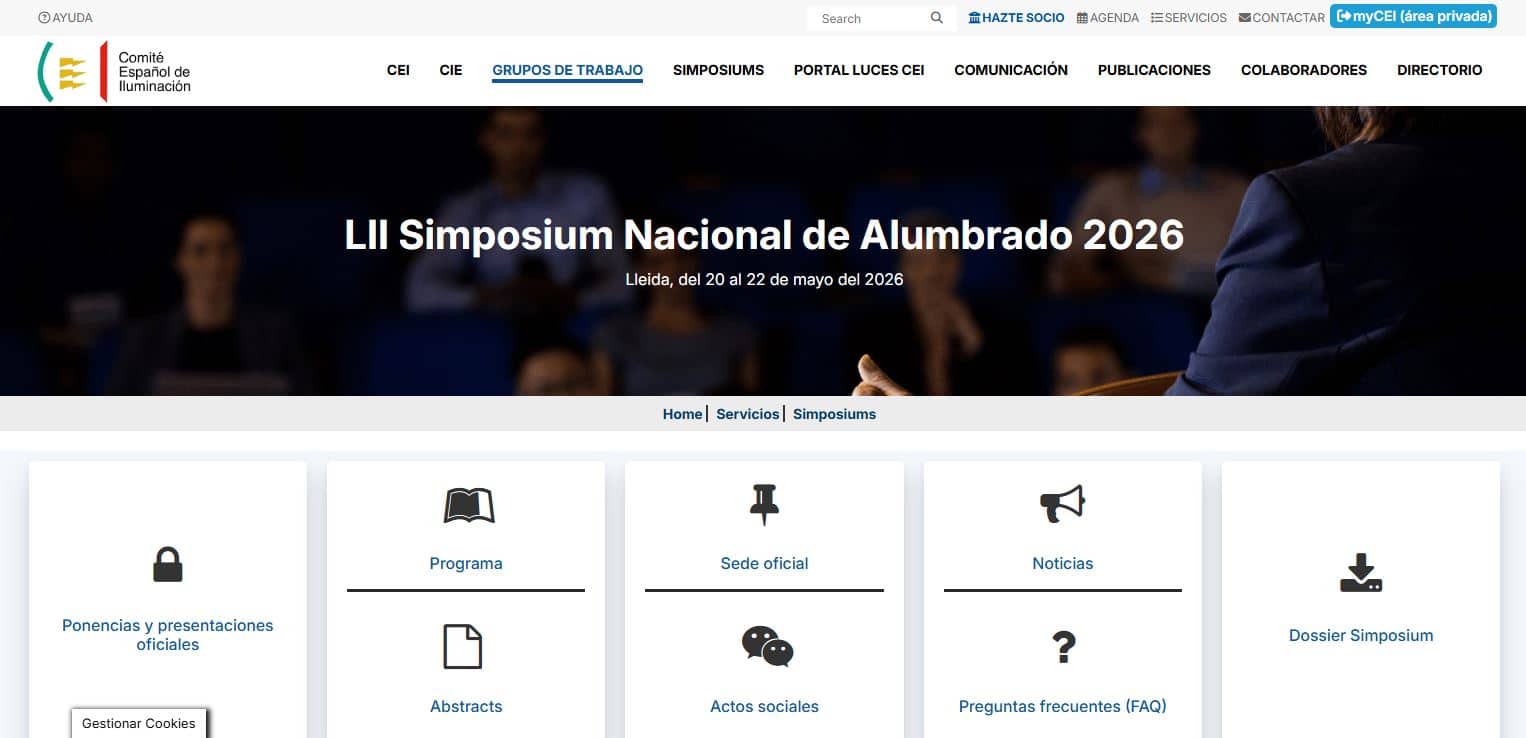
Symposia, conferences and events integrated into the organization’s operations
CEI’s real-world use of this module provides evidence that the architecture addresses the operational needs of organizations coordinating activities, attendees, information and services around their events.
SPANISH LIGHTING COMMITTEE · CEIConferences & Events in about two minutes
A quick overview of the module and the capabilities connecting the event catalogue, registration, programme, sessions and attendee management.
Which conference and event processes does your organization need to connect?
We can assess how you manage events today and identify which capabilities should be integrated, simplified or evolved.